
Europe
(172)
Italy
(58)
France
(21)
Germany
(21)
United Kingdom
(18)
Spain
(16)
Austria
(8)
Czech Republic
(6)
Greece
(6)
Switzerland
(4)
Finland
(3)
Netherlands
(3)
Portugal
(3)
Belgium
(2)
Malta
(2)
Slovakia
(2)
Albania
(1)
Bulgaria
(1)
Croatia
(1)
Cyprus
(1)
Denmark
(1)
Hungary
(1)
Ireland
(1)
Norway
(1)
Poland
(1)
Romania
(1)
Slovenia
(1)
Sweden
(1)
    Array
(
    [0] => Array
        (
            [name] => Italy
            [category] => Array
                (
                    [name] => Country
                )

            [parent] => Array
                (
                    [name] => Europe
                )

        )

    [1] => Array
        (
            [name] => Sicily
            [category] => Array
                (
                    [name] => Location
                )

            [parent] => Array
                (
                    [name] => Italy
                )

        )

)


Opera in Sicily - Four operas in historic theatres in beautiful Baroque cities.
6
days
from
£4,130
Book today with a deposit from
£620
4th - 9th November 2027
Festival highlights
- Four operatic masterpieces in concert performance – 'Dido and Aeneas' (Purcell), 'Orfeo ed Euridice' (Gluck), 'Don Giovanni' (Mozart) and 'The Barber of Seville' (Rossini).
- Based in south-eastern Sicily, where historic opera houses in Avola, Noto and Modica sit amid Baroque townscapes and dramatic coastal landscape.
- Some of the finest ensembles from the UK and Italy appear: The Mozartists, I Fagiolini, Il Canto di Orfeo and the Orchestra Filarmonica Italiana.
- Stay throughout on Ortygia, the ancient heart of Syracuse which was once one of the greatest cities of the Greek world.
- Daily talks on the music by Dr John Allison, editor of 'Opera' magazine.
The four operas we have chosen for Opera in Sicily share a theme: the eternal negotiation between passion and consequence. Purcell’s Dido and Aeneas and Gluck’s Orfeo ed Euridice both draw on classical myth to ask whether love can outlast death. Dido’s answer is tragic resignation – a perfect lament that contains a whole life’s grief in only five minutes; Gluck’s is defiant, reforming opera itself by stripping away vocal fireworks and letting pure emotion shine through.
A generation later, Mozart’s Don Giovanni takes that same confrontation with mortality and inverts it: here the seducer, not the beloved, is dragged to the underworld, unrepentant to the last chord. And Rossini’s Barber of Seville, lighter in spirit, presents a similar rake but without the reckoning – and what becomes of seduction, disguise, and intrigue when the gods withdraw and only wit is left to settle the score.
And what better base for an opera festival than Sicily – an island of many surprises, not least for its collection of historic opera houses. Few visitors ever get a glimpse of these intimate, historic auditoria, many of which are well restored and in serviceable working order. Mostly 19th-century by date if basically 17th-century in design, these theatres are characterised by a horseshoe plan, several tiers of boxes and sumptuous decoration. Some are bathed in a symphony of white, crimson and gold, others richly hued with elaborately painted mythological scenes, personifications and trompe-l’oeil ornamentation.
This festival fills them with the sounds and spectacle for which they were built. If only for a couple of hours, these four historic theatres are transformed – exclusively for the occasion. Some of the finest ensembles from the UK and Italy perform for us – The Mozartists, I Fagiolini, Il Canto di Orfeo and the Orchestra Filarmonica Italiana.
The audience is accommodated in a selection of hotels on the Island of Ortygia, the ancient heart of Syracuse, once one of the greatest cities of the Greek world. One of the largest areas of unremittingly picturesque townscape in Italy, it has the added charm of being almost completely surrounded by the waters of the Mediterranean. One of the operas is performed here, and the others in the baroque towns of Avola, Noto and Modica.
Videos
Brochure
Musicians
Programme
Fly from London to Catania directly or via Milan or Rome, or make your own way independently. Coach transfer to Syracuse.
The Island of Ortygia, the ancient heart of Syracuse, is densely packed with structures from ancient Greek to Stile Liberty. Meandering alleys lead to little piazze and seaside promenades, past romantically crumbling or lovingly restored Baroque palaces and churches.
Depending on the arrival of your flight, there is free time to become acquainted with Ortygia.
Settle into your chosen hotel before a drinks reception (depending on your flight arrival time) and dinner.
Either leave for Noto to have time to see something of it before the performance, (including optional walks in the company of a lecturer), or enjoy free time in Syracuse before leaving in the early afternoon to arrive in Noto just before the performance starts.
Spread across a broad hillside, Noto was rebuilt after an earthquake in 1693 to become one of the loveliest and most homogeneous Baroque towns in the world. A striking feature is the extraordinary number of religious foundations that built for themselves premises of palatial grandeur. The whole city is constructed of honey-coloured stone, with façades enlivened with sculpted balconies and elaborate ironwork.
The opera house opened in 1870 and is dressed in exceedingly pretty, enriched Neo-Classical garb. As with most of the other opera houses in this festival, four tiers of boxes surround the horseshoe-shaped auditorium.
Performance, 3.00pm
Teatro Tina Di Lorenzo, Noto
Il Canto di Orfeo
Gianluca Capuano conductor
Christoph Willibald Gluck
ORFEO ED EURIDICE (1762)
The first performance of Orfeo ed Euridice in 1762 in Vienna is a true landmark in operatic history. Composer Christoph Willibald Gluck and librettist Ranieri de’ Calzabigi set themselves against the mainstream of the era by resisting the complex plots and vocal virtuosity that had come to define Italian opera seria. Instead, they made the drama the centre of the experience, with every feature contributing to the story.
Disarmingly direct music accompanies such dramatic highs as the opening chorus mourning the passing of Euridice, Orfeo pleading with the furies to enter Hades, or his despair that he has lost Euridice again on his way back out. Dance is just as integral to the experience, drawing inspiration from contemporary French works. An extended sequence shows the joy of the company as Amore reunites Orfeo with Euridice for the happy ending.
In stripping away the layers of Baroque decoration, Gluck’s perfectly-shaped melodies shine like jewels, and it is no wonder that numerous later composers were drawn to his vision for opera. Anyone seeking an integrated, drama-centred form in years to come (such as Mozart, Weber and Wagner) could look to Gluck as their leading light.
Dinner in Noto is included for everyone, after the performance. Coaches return to Syracuse after dinner.
Depart in the morning for Modica, where there is a talk on the music and time to explore.
The exceedingly lovely town of Modica is dramatically situated at a conjunction of valleys at the foot of Monti Iblei. The theatre is in a broad meandering tree-lined avenue in Modica Bassa (‘lower Modica’), the more recent (though still historic) part of the town. Its gorgeous interior was recently restored and is embellished with trompe l’oeil decoration and paintings.
The land rises steeply to the east, where there is a delightful congestion of amber buildings, including the great churches of San Pietro and San Giorgio (the cathedral). A net of alleys, narrow streets and steps leads to the oldest part of the town, Modica Alta (‘Upper Modica’).
Performance, 3.00pm
Teatro Garibaldi, Modica
Orchestra Filarmonica Italiana
Manfred Obrecht conductor
The Barber of Seville (1816)
Gioachino Rossini
There are few delights to equal the experience of Gioachino Rossini’s The Barber of Seville. After more than two centuries in the repertoire, it has become an opera buffa against which all others are measured. Rossini had written sixteen pieces already by the time of its premiere in Rome in 1816, of which ten had been comic (or at least ‘semiseria’), and it is clear that he had mastered the art of keeping an audience entertained, while still providing a fabulous vocal showcase for the performers. Figaro’s celebration of his own organisational skills in ‘Largo al factotum’ is some of opera’s most instantly-recognisable music, while Count Almaviva offers the tenderness you would expect in a lover wooing his beloved Rosina from below her balcony.
It takes all of Figaro’s cunning to help the young couple outwit the controlling guardian Dr Bartolo. Expect especially fun shenanigans from the singing lesson at the start of Act 2, with the Count in his second disguise of the opera, this time as a priest and music tutor, secretly courting Rosina while Figaro shaves Bartolo. It’s possible there will be some musical surprises here, following the long history of such insertions.
Coaches return to Syracuse in time for an independent dinner, or an optional dinner if you choose to attend.
Avola is another rarely visited little town half an hour from Syracuse. A poem in gold and crimson, the auditorium of the Teatro Garibaldi is the smallest of the festival, seating comfortably not many more than a hundred. The audience therefore splits, and the ensemble performs the hour-long opera twice. Half the group have free time in Syracuse in the morning followed by an afternoon performance; the other half attend the opera in the morning and return to Syracuse at lunchtime.
Performances, 11.00am or 3.00pm
Teatro Garibaldi, Avola
I Fagiolini
Robert Hollingworth director
Dido and Aeneas (1689)
Henry Purcell
It is astonishing to think how little we know about a piece which has done so much to shape British musical identity. Henry Purcell produced Dido and Aeneas during the 1680s as part of his first wave of theatrical projects, most of which were incidental music for plays. Drawing on John Blow’s Venus and Adonis, Purcell shaped his English-language narrative of the Queen of Carthage and her unfaithful Trojan lover entirely around the flow of the music, making it a true opera (unlike pieces with spoken dialogue).
When and where it was first heard is unclear: it could have been intended for the court of Charles II, but the first documented performances suggest that it might have been written for Chelsea schoolgirls to perform. Even the original score is lost, surviving in a copy made after Purcell’s death.
Nonetheless, the magnificent music for the witches plotting Dido’s downfall, the lively dances for the sailors preparing to sail Aeneas away, and Dido’s heartbreaking lament have made the work a source of huge national pride ever since it was revived during the late nineteenth century. New generations of performers have returned to it again and again to remake it for their time.
Dinner is independent, unless you choose to attend an optional dinner.
Set on Piazza Duomo, the small Baroque church of Santa Lucia alla Badia presents an elegant concave façade of pale local stone, rebuilt following the earthquake that levelled south-eastern Sicily in 1693. The interior is compact and unpretentious: a single nave, restrained stucco decoration, and an atmosphere more intimate than grand. Its dedication honours Syracuse’s own martyred patron saint, Lucy, said to have died nearby.
Concert, 9.00pm
Chiesa di Santa Lucia alla Badia, Syracuse
Sacred Vocal Music
Odhecaton
Paolo da Col director
Programme to be confirmed.
There is a morning lecture, and the option of art historical or architectural visits, before the final opera in the afternoon.
Syracuse’s Teatro Comunale is the largest and grandest of the theatres engaged for this festival – though there are only about 300 seats with good sightlines. Unused for 70 years, the recent refurbishment allows occasional access to an auditorium with sumptuous ornamentation and an elaborate ceiling painting.
Performance, 4.00pm
Teatro Massimo Comunale, Syracuse
The Mozartists
Ian Page director
DON GIOVANNI (1787)
Wolfgang Amadeus Mozart
A stark, foreboding opening sets off an experience like no other. Wolfgang Amadeus Mozart’s music for Don Giovanni caused a sensation at its premiere in Prague in 1787, and the piece rapidly established itself as one of the most important in the repertoire. Unlike his previous collaboration with Lorenzo da Ponte, Le nozze di Figaro (1786), it was not straightforwardly comic. The humour is still here: the title character goes through ever more convoluted schemes to evade ex-lovers and their partners in pursuit, including switching clothes with the servant Leporello to keep Donna Elvira occupied while Don Giovanni woos her maid.
But the comedy is woven with much more serious, melodramatic material. When Don Giovanni kills Donna Anna’s father in a duel at the beginning, it sets up one of the most dramatic confrontations in opera, where the ghost of the Commendatore drags his killer down to justified punishment in hell. It is impossible to overstate the importance of this scene for the emerging Romantic movement, inspiring many gothic and supernatural visions to come. Though it’s also Mozart’s sheer melodic genius, by this time in full, mature flow, that still astonishes now. An opera with so many gorgeous tunes is worth treasuring for that aspect alone.
A gala dinner for everyone follows the performance.
Coaches take participants to Catania airport. Fly to London directly or via Milan or Rome, or leave the festival independently.
Expert speaker
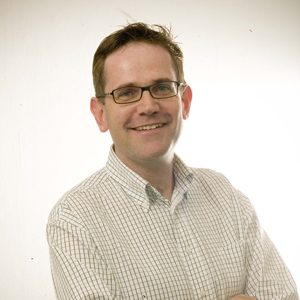
Dr John Allison
Editor of Opera magazine and music critic. He was born in South Africa and completed his PhD degree while playing the piano and working as assistant organist at Cape Town cathedral. Since moving to London in 1989 he has written for publications around the world, authored two books and served on the juries of many international competitions. He co-founded the International Opera Awards in 2013. He reviews for the Daily Telegraph and has previously held positions as music critic on The Sunday Telegraph and The Times.
Practicalities
The price includes:
– All five performances (four operas in concert performance and one concert).
– Accommodation for five nights – choose between six hotels.
– Breakfasts, three dinners and interval drinks.
– Talks on the music by Dr John Allison.
– Travel by comfortable private coach.
– The assistance of festival staff and a detailed programme booklet.
Optional extras:
– A choice of pre- and post-festival tours: Gastronomic Eastern Sicily, 26 October–2 November 2027; Essential Sicily, 25 October–3 November 2027; World Heritage Malta, 10–16 November 2027, Palermo Revealed, 9–14 November 2027.
– Arriving a day early at your festival hotel.
– Extra dinners, so that each evening is spent in the company of other participants. Details will be available at a later stage.
– A range of walks and visits led by art historians. Details will be available at a later stage.
Livingston (3/4*), price per person:
Arriving 3 November
Two sharing:
Deluxe (sea view and balcony) • £4,360
Junior Suite • £4,600
Single occupancy:
Standard • £4,530
Deluxe side view • £5,010
Arriving 4 November
Two sharing:
Deluxe (sea view and balcony) • £4,130
Junior Suite • £4,360
Single occupancy:
Standard • £4,290
Deluxe side view • £4,750
Algilà Ortigia Charme Hotel (4*), price per person:
Arriving 3 November
Two sharing:
Superior • £4,630
Junior Suite • £5,320
Suite • £5,660
Deluxe Spa • £6,020
Single occupancy:
Classic • £5,110
Classic (sea view) • £5,660
Arriving 4 November
Two sharing:
Superior • £4,410
Junior Suite • £5,070
Suite • £5,390
Deluxe Spa • £5,730
Single occupancy:
Classic • £4,870
Classic (sea view) • £5,390
Palazzo Artemide (4*), price per person:
Arriving 3 November
Two sharing:
Superior • £4,770
Junior Suite • £5,120
Suite • £5,660
Single occupancy:
Superior • £5,520
Arriving 4 November
Two sharing:
Superior • £4,540
Junior Suite • £4,880
Suite • £5,390
Single occupancy:
Superior • £5,260
Grand Hotel Ortigia (5*), price per person:
Arriving 3 November
Two sharing:
Junior Suite (with sea view, duplex) • £5,760
Single occupancy:
Deluxe • £5,840
Deluxe with sea view • £6,330
Junior suite (duplex) • £6,410
Arriving 4 November
Two sharing:
Junior Suite (with sea view, duplex) • £5,490
Single occupancy:
Deluxe • £5,560
Deluxe with sea view • £6,030
Junior suite (duplex) • £6,100
Ortea Palace (5*), price per person:
Arriving 3 November
Two sharing:
Classic Duplex (Edwardian) • £5,790
Junior Suite • £6,330
Twin Suite Sea View • £7,010
Executive • £7,930
Single occupancy:
Classic (Roundhand) • £6,110
Arriving 4 November
Two sharing:
Classic Duplex (Edwardian) • £5,510
Junior Suite • £5,890
Twin Suite Sea View • £6,520
Executive • £7,380
Single occupancy:
Classic (Roundhand) • 5,820
Grand Hotel des Ètrangers (5*), price per person:
Arriving 3 November
Two sharing:
Superior • £6,360
Deluxe (sea view) • £7,720
Junior Suite (sea view) • £9,220
Single occupancy:
Comfort • £7,560
Superior • £8,470
Arriving 4 November
Two sharing:
Superior • £5,940
Deluxe (sea view) • £7,020
Junior Suite (sea view) • £8,380
Single occupancy:
Comfort • £7,200
Superior • £7,920
Flights: if you choose to take one of the offered flight options, there is an additional cost of £400 per person.
Arriving 3 November:
Option 1
3 November: London City to Catania, via Milan Linate (AZ221 & AZ1723) departing at 09.00 and arriving at 15.15.
9 November: Catania to London City, via Milan Linate (AZ1747 & AZ238) departing at 09.40 and arriving at 15.55.
Option 2
3 November: London Heathrow to Catania, via Rome Fiumicino (AZ203 & AZ1733) departing at 10.30 and arriving at 18.30.
9 November: Catania to London Heathrow, via Rome Fiumicino (AZ1710 & AZ204)departing at 10.15 and arriving at 15.40.
Option 3
3 November: London Gatwick to Catania (EZY8285) departing at 13.30 and arriving at 17.40.
9 November: Catania to London Gatwick (EZY8286) departing at 12.30 and arriving at 15.00.
These flights are operated by Easyjet.
Arriving 4 November:
Option 4
4 November: London Heathrow to Palermo (BA610) departing at 07.45 and arriving at 11.50.
*Travel across the island from Palermo to Syracuse by coach, a journey of c. 5 hours, including a one-hour stop to break the journey.
9 November: Catania to London Heathrow, via Rome Fiumicino (AZ1710 & AZ204)departing at 10.15 and arriving at 15.40.
Option 5
4 November: London City to Catania, via Milan Linate (AZ221 & AZ1723) departing at 09.00 and arriving at 15.15.
9 November: Catania to London City, via Milan Linate (AZ1747 & AZ238) departing at 09.40 and arriving at 15.05.
Option 6
4 November: London Gatwick to Catania (EZY8285) departing at 13.30 and arriving at 17.40.
9 November: Catania to London Gatwick (EZY8286) departing at 12.30 and arriving at 15.00.
These flights are operated by Easyjet.
Please note that no flight schedules have currently been published for November 2027 – these are the most likely times based on similar dates for 2026.
The no-flights option
If you are not joining our flight options, you are welcome to join our coach transfers if your travel arrangements coincide with any of these options.
Flights for pre- and post-festival tour participants
The prices for pre- and post-festival tours include the option of a return flight.
Pre-festival tour participants fly out with their tour group and return to the UK on festival flight option 1 on 9 November.
Post-festival tour participants have a choice of which flight option they fly out on (as there is a choice of arriving on Day -1 or Day 1) and fly back with their tour group.
For combining arrangements, please see each specific tour details.
We charge for flights, if you are taking them, as part of your pre- or post-festival tour booking. You therefore pay the ‘no flights’ price for the festival.
There is a choice of six hotels in Syracuse (Ortygia): 3- 4- or 5-star. These are the best hotels on the island.
They differ in size, architecture and style, and have Sicilian charm of varying degrees. They range from rustic and family run to luxury resort hotels.
Coaches cannot enter Ortygia, and so stop at the bridge that connects the island with mainland Syracuse. Walking distances are indicated on the following pages. Luggage is transferred separately by minivan.
Your choice of hotel is the sole determinant of the different prices. Please refer to the brochure above for more information regarding the difference in room categories.
Hotel Livingston (3/4*)
This small (16 rooms), family-run hotel is situated on the curve of the Lungomare at the tip of the island, looking south-east. This is the quieter side of town. The decor is traditional, and somewhat old-fashioned, but well maintained.
Bedrooms have dark wood panelling and a mix of green or red brocade fabric furnishing. It is a comfortable hotel but rather plain, and more the standard of a 3-star (it technically has a 4 star rating but we have given it 3-4 stars here because of this).
Rooms have all modern amenities: air-conditioning/heating, hairdryer, safe, WiFi. Bathrooms mostly have showers, or baths with shower attachments. There is a breakfast room but no restaurant or bar. Good restaurants (and cafés) are nearby.
Walk to coach: c. 1000 metres.
Algilà Ortigia Charme Hotel (4*)
A delightful mid-size (54 rooms) 4-star hotel in two adjacent Baroque palazzi overlooking the Ionian Sea. There are sea views from many rooms (those listed below as ‘sea view’ have direct views, but many not in this category have lateral sea views from windows or balconies).
Designed by Syracuse-born theatre designer Manuel Giliberto, the rooms feature majolica tiles, kilims and antique furniture: each has its own design. The overall effect is charming and delightfully tasteful.
All the rooms are air-conditioned/heated, and are equipped with hairdryers, safes and WiFi. Some rooms are split over two levels, with two or three steps into the room or separating the levels.
All rooms have walk-in showers, in some cases the shower is separated from the bathroom, and higher category rooms may also have baths.
The hotel has a restaurant and a bar.
Walk to coach: c. 600 metres.
Palazzo Artemide (4*)
A 4-star hotel situated near the cathedral in a lovely pink palazzo (40 rooms). The location is wonderful: in fine weather the breakfast room and restaurant extend onto Piazza Minerva, the heart of the historic centre.
The hotel underwent a major and thoughtful renovation a few years ago, and the decor is modern and sleek throughout the hotel, in white, light blues and greys with parquet floors, though remains stylistically in keeping with the historic nature of the building.
All rooms are equipped with air-conditioning/heating, safes, hairdryers and WiFi. Rooms only have walk-in showers. There is a restaurant and bar.
Walk to coach: c. 750 metres.
www.vretreats.com/palazzo-artemide
Grand Hotel Ortigia (5*)
A 5-star hotel, in a superbly located position overlooking the harbour, and about a 5- to 10-minute walk from the Duomo (58 rooms). Housed in a 19th-century building, the hotel previously underwent extensive renovations, the result of which remained in keeping with its original charm and Liberty style.
Decor in the bedrooms, and throughout the hotel more generally, is classic and understated exuding a certain warmth, though certain fixtures and furnishings are slightly dated.
All rooms have air-conditioning/heating, safes, hairdryers and WiFi. Most bathrooms have showers with an overhead shower fixture.
The hotel has a restaurant and bar.
Walk to coach: c. 300 metres.
https://www.grandhotelortigia.it/en/homepage/
Ortea Palace Hotel (5*)
A 5-star luxury hotel in the island’s former 1920s post office building (75 rooms). Following many years spent renovating the building, the result is luxurious, if rather elaborate. The dominant colour is white, emphasising the quality of the Sicilian light, with white walls and expanses of white marble omnipresent. Staff are very friendly and willing. The restaurant and bar are in the covered courtyard.
Decor in the bedrooms continues the white theme, with more marble and modern furnishings and artworks, which can be a little showy. Classic rooms overlook the internal courtyard, while the rest have fabulous views over the sea and city.
All rooms have air-conditioning/heating, safes, hairdryers and WiFi. Most bedrooms are duplexes, with (sturdy) stairs separating sleeping from sitting areas. Only twin suites can be twin bedded. Some bathrooms have showers only, while some also have a separate bathtubs.
There is an extensive spa, with a large indoor freshwater pool and a full range of spa treatments available, with one complimentary entry for hotel guests. There are also two restaurants, a bar and a garden.
Walk to coach: c. 300 metres.
Grand Hotel des Ètrangers (5*)
The Grand Hotel des Ètrangers offers a level of luxury and elegance not found in any of the other hotels. It is in two Stile Liberty palazzi, on the waterfront overlooking the sheltered bay of Syracuse.
A full renovation took place just a few years ago, though period features such as the mosaic floor and ceiling in the entrance remain. Decor is elegant and lavish throughout, with a focus on the quality and provenance of materials. A balance is carefully struck between modern high-end and the hotel’s art deco roots. Staff are infallibly polite, and service clearly aims for the cosmopolitan approach of European luxury city hotels.
All rooms have kingsize beds, air-conditioning/heating, safes, hairdryers and WiFi. The restaurant and bar are on the top floor and have fabulous views. There is a small indoor swimming pool and spa.
Walk to coach: c. 900 metres.
If you choose to arrive a day early (3 November), a range of visits will be available on 4 November, and where there is free time in Syracuse and elsewhere during the festival, optional walks and visits will be offered, led by the following experts:
Dr R.T. Cobianchi. Art historian specialising in the art and architecture of the Renaissance and Baroque. His interests also span from the iconography of the late Middle Ages to the sculpture of Neo-Classicism.
Dr Luca Leoncini. Specialist in 15th-century Italian painting. An art historian, he has published articles on the classical tradition in Italian art of the 15th century and contributed to the Macmillan Dictionary of Art.
Dr Zoe Opacic. Reader in the History and Theory of Architecture at Birkbeck College, specialising in medieval art, architecture and urbanism. Has a PhD from the Courtauld Institute of Art, and is a Fellow of the Society of Antiquaries.
Details and the option to book these will be sent nearer to departure.
This is a physically demanding festival and fitness is essential. Within towns and cities, you will be expected to walk for anything up to 25 minutes (1000m) and at a pace which is unlikely to slow others down when moving together.
Some hotels are a 1000m walk from where coaches can stop, a walk that is repeated each time we leave Ortygia.
Many streets are uneven or cobbled and there are some ascents and descents, although mostly you will only need to be capable of these if you opt to spend more free time in Noto or Modica. There are often stairs to negotiate in the theatres, which do not have lifts.
There is a lot of driving. Average distance by coach per day (including airport transfers): 42 miles.
If you have a medical condition or a disability which may affect your holiday or necessitate special arrangements being made for you, please discuss these with us before booking – or, if the condition develops or changes subsequently, as soon as possible before departure.
Private. All the performances are planned and administered by us, and the audience consists exclusively of those who have taken the festival package.
Seating. Specific seats are not reserved. You sit where you want.
Audience size. There will be up to 220 participants on the festival. At the one venue which cannot hold this number, the opera will be repeated.
Historical venues. All four theatres were built in the 19th century, and though they have been refurbished, some of the seats may be less comfortable than those in a modern opera house. Many are in boxes rather than in the stalls (orchestra), though we are limiting audience capacity so everyone has good sight-lines. If you are uneasy with the idea of sitting anywhere other than in the stalls, please talk to us before booking.
Acoustics. This festival is more concerned with locale and authenticity than with acoustic perfection. The venues may have idiosyncrasies or reverberations of the sort not found in modern concert halls. However, as most are theatres and therefore purpose-built for this genre of music, acoustics are generally very good.
Changes. Musicians fall ill, venues may close for repairs, airlines alter schedules: there are many circumstances which could necessitate changes to the programme. We ask you to be understanding should they occur.
Participation in our festivals is a very different experience from conventional group travel.
No repetitive or redundant announcements, no herding by elevated umbrella, no unnecessary roll calls, little hanging around. We work on the assumption that you are adults, and our staff cultivate the virtue of unobtrusiveness.
Though there will be up to 220 participants, you will often find yourself in smaller groups – the audience is divided between six hotels, and into different restaurants for some of the dinners.
For those who are not averse to group activities there are extra meals, walks and visits to sign up to. You choose the level of participation that suits you.
We provide sufficient information to enable you to navigate the festival events without needing to be led. However, festival staff are also stationed around the events to direct you if needed.
Before booking, please refer to the FCDO website and Travel Health Pro to ensure you are happy with the travel advice for the destination(s) you are visiting.
Dates & prices
                GBP                Array
(
    [0] => Array
        (
            [id] => 01kyw1cmft5ez60qn0zf9bef2q
            [published] => 1
            [start] => 2027-11-04 00:00:00
            [end] => 2027-11-09 00:00:00
            [range_type] => Fixed
            [version] => Array
                (
                    [id] => 01kyw1cm7nz7ftdb1ycj1wr47q
                    [name] => 2027
                )

            [inventory] => Array
                (
                    [type] => Allocation
                    [capacity] => 162
                    [errata] =>
                )

            [categories] => Array
                (
                    [0] => Array
                        (
                            [name] => Dr John Allison
                            [description] =>
                        )

                )

            [fields] => Array
                (
                    [0] => Array
                        (
                            [__typename] => StringFieldData
                            [name] => tb_departure_setup_id
                            [string] => 30901
                        )

                    [1] => Array
                        (
                            [__typename] => StringFieldData
                            [name] => tb_link_speakers
                            [string] => [{"id":42913,"title":"Dr","forename":"John","surname":"Allison","type":"Lecturer"}]
                        )

                    [2] => Array
                        (
                            [__typename] => StringFieldData
                            [name] => tb_departure_code
                            [string] => MN540
                        )

                    [3] => Array
                        (
                            [__typename] => StringFieldData
                            [name] => onlinetalk_booking_link
                            [string] =>
                        )

                )

            [elements] => Array
                (
                    [0] => Array
                        (
                            [id] => 01kyw1cmgsvgekq5n0de3strm6
                            [element] => Array
                                (
                                    [id] => 01kyw1cmc0n9cc7nc75yjb839k
                                    [category] => Array
                                        (
                                            [name] => Tour Space
                                        )

                                    [name] => Tour Space
                                    [published] => 1
                                    [is_package] => 1
                                )

                            [prices] => Array
                                (
                                    [0] => Array
                                        (
                                            [id] => 01kyw1cmhjp6sgjmx5qc2f4br4
                                            [currency] => GBP
                                            [value] => 4130
                                            [on_sale] => 1
                                            [previous_value] =>
                                            [deposit] =>
                                            [option] => Array
                                                (
                                                    [id] => 01kyw1cmdz8j78hxh1bb11ndhz
                                                    [name] => Tour Space
                                                    [category] => Array
                                                        (
                                                            [name] => Price
                                                        )

                                                    [constraints] =>
                                                    [web_bookable] => 1
                                                    [published] => 1
                                                )

                                        )

                                )

                        )

                )

        )

)
2027
Date
Speaker
Price
Date:
4th - 9th November 2027
Speaker:
Dr John Allison
Price:
from £4,130
(Based on two sharing)Testimonials
“The festival was full of interest. We are so impressed with the planning and organisation – it is almost worth going on your tours for that alone! We can't speak highly enough of the team.
”
“A real triumph which richly deserves to be repeated.
”
“The MRT staff provided a five star service throughout.
”
Combine with
We are happy to advise on combining this itinerary with another tour or event. Please contact us for information about linking accommodation and transport.


Sign up to our e-newsletter
e-newsletter recipients are the first to hear about our future plans and our tours as they come on sale. By signing up you agree to our Privacy policy.




My Wishlist
Please note that all saved tours will be removed if you clear your cookies.
Sign up to our e-newsletter
E-newsletter recipients are the first to hear about our future plans and our tours as they come on sale.